

Hi friends, if you’re new around here: Welcome! I’m so glad you found me. This week’s post doesn’t have audio (yet!) I will try to get it there by the end of the weekend. For now, I hope you’ll answer the big question this one is asking in the comments. See you there? —Merideth
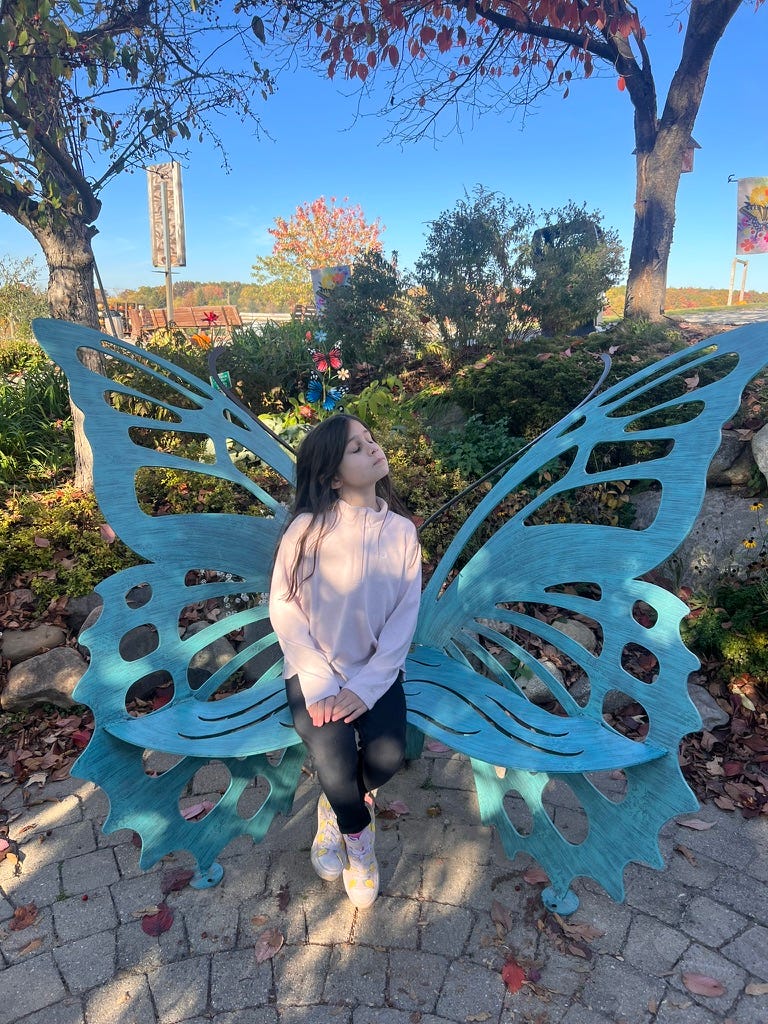
Do you know there are some who are so bold to say that writer’s block doesn’t exist? As a creative coach, I make it my business never to dismiss other artists’ challenges like that. But lest you think me too magnanimous, I’ve definitely been a little skeptical and (a lot) judgmental of myself as I stare down the blinking cursor on a big project I’m working on, wondering when I became such a superficial, boring, cliché, lazy person. (The inside of my mind isn’t a super fun place to be when I’m in these moods.)1
As someone who writes about creativity and the joy it can bring, as well as the spiritual aspects of making, I sometimes find it hard to admit when I’m struggling.
So, let me say it plainly: I have been inside one of the longest and most mysterious creative blocks I’ve experienced since I started writing regularly 10 years ago. Truth is, I’m not totally sure I am done passing through these particular woods yet, but writing this feels a little less like pulling teeth than anything I’ve attempted in the last few months, so that’s a start.
When an artist comes to me with a creative block, I usually start with the basic tenets of human existence, an Artist’s Hierarchy of Needs, if you will. And yes, I have been sleeping and eating and moving and generally taking care of myself pretty well.
Life was good, but, admittedly, seemed to be getting weirder by the week. They say that A.I. could kill us before decade’s end; wars are raging; politicians texted me more than my loved ones. Machines that were supposed to make my life easier/better/more efficient only made me feel more distracted, exhausted, anxious, busy, inhuman.
I often ask my clients what the block feels and/or looks like. This one lives right behind my eyes; its shape is amorphous, a deeply unsettling blankness. My thoughts, deepest longings, and wonderings are there, but appear to me only in glimpses. Like a top-secret document with large swaths of black, each poetic thought is redacted instantly.

A writer friend I admire, someone who would never say writer’s block doesn’t exist, recommended I try reading. This is an underrated rung on the Artist’s Hierarchy of Needs. Julia Cameron called it “Filling the well.”
I found The Poetry Home Repair Manual by Ted Kooser, the 2004–2006 U.S. Poet Laureate and Pulitzer Prize winner, on a book list for poets. The title felt like a cheeky enough fit for my jaded state, and it was less than 200 pages.
Months into my block, a 20+-year-old book for poets that exists only in thin paperback form (no digital or audio version) became a missal from a simpler time. It spoke directly to me:
“Here’s a way of thinking about the degree of your own presence in a poem: How much do we learn about you, or the first-person speaker? While choosing your words, it is as if you were at a window looking out into the world. If the light that falls upon what lies beyond is very bright, you see the scene in vivid colors, and there is only the faintest hint of your reflection in the glass. If the light beyond the window is faint, as at dusk, the speaker’s reflection in the glass is much more prominent. The poem is the record of a moment at the window, but for once the author—not time nor weather—gets to control the amount of light outside. For once, you are in charge of the sun.” (p. 31)
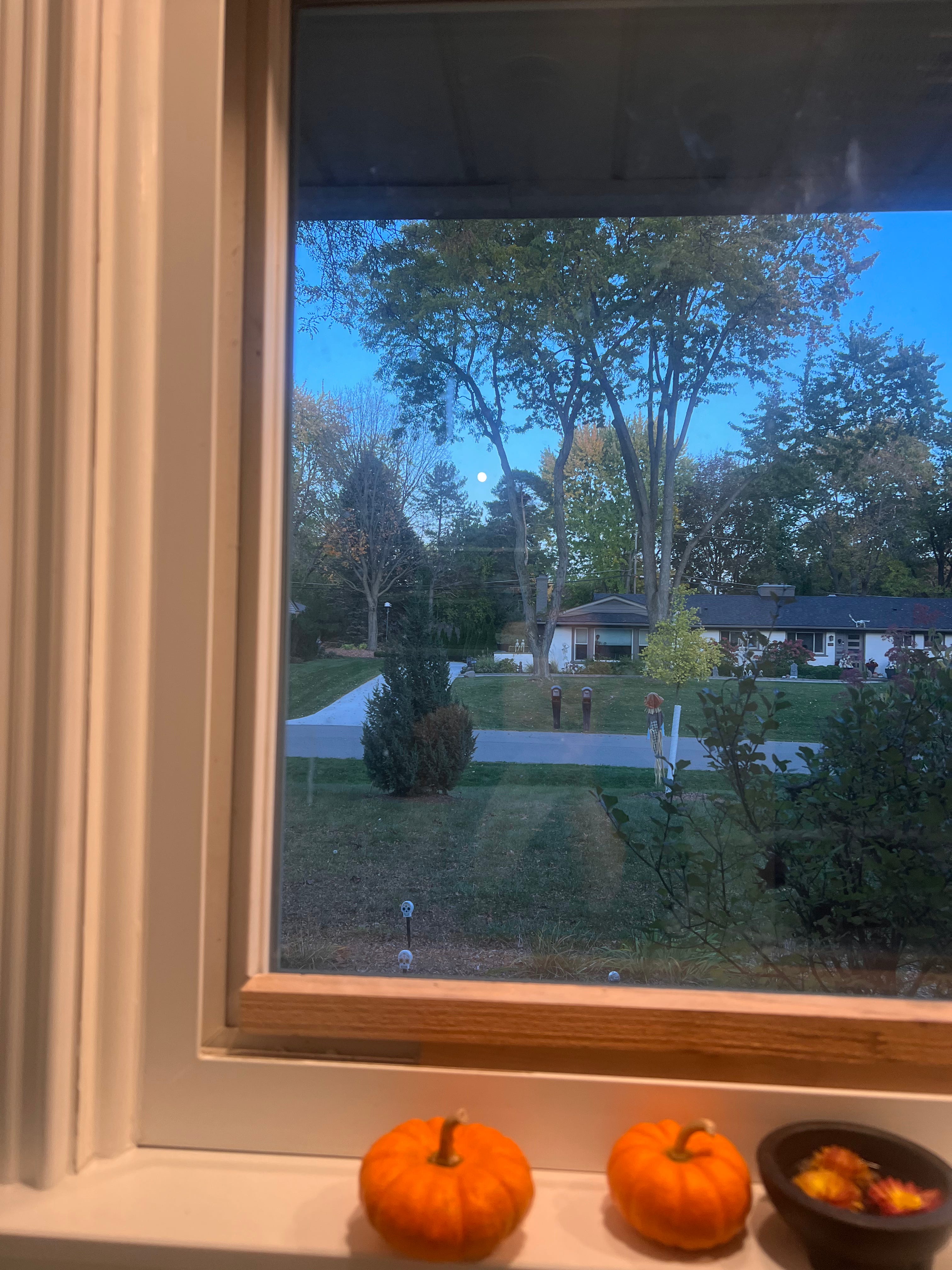
In my own writing, not only as a poet but as an essayist, I would say my presence is usually quite bright. My stories are usually self-referential and highly personal; that’s often how I find my way into the subject matter. That’s what I love about writing, actually—it starts with me wondering how I feel about something.
I realized, as I read more of Kooser’s book, that the problem wasn’t that there was nothing to say about the world outside my window; it was that I couldn’t make out my own reflection in it.
Is it because I can’t tell what’s real anymore?
Is it that the world, with its non-stop digital noise, so loud that the basic human impulse to think deeply, to hold the tension of not knowing, to slow down— no longer feels like second nature?
Is it that I am feeling constantly pressured to optimize— track the sleep, eat the protein, organize the life—not create it.
Is that my creative output has been confused with the endless seduction of producing more content—so much so, that the tender snail of human, creative impulse gets trampled by the overbearing, aggressive diesel bus of this cultural moment?
From talking to other creatives, and especially writers, I know I’m not alone. The Age of Information invites us to think less and produce more. Outsource the creative process to a machine, because why not? Escape your slow, limited human brain; evolve past your weak, weary flesh and blood.
I realized at the “window” that I couldn’t write because I didn’t feel so human.
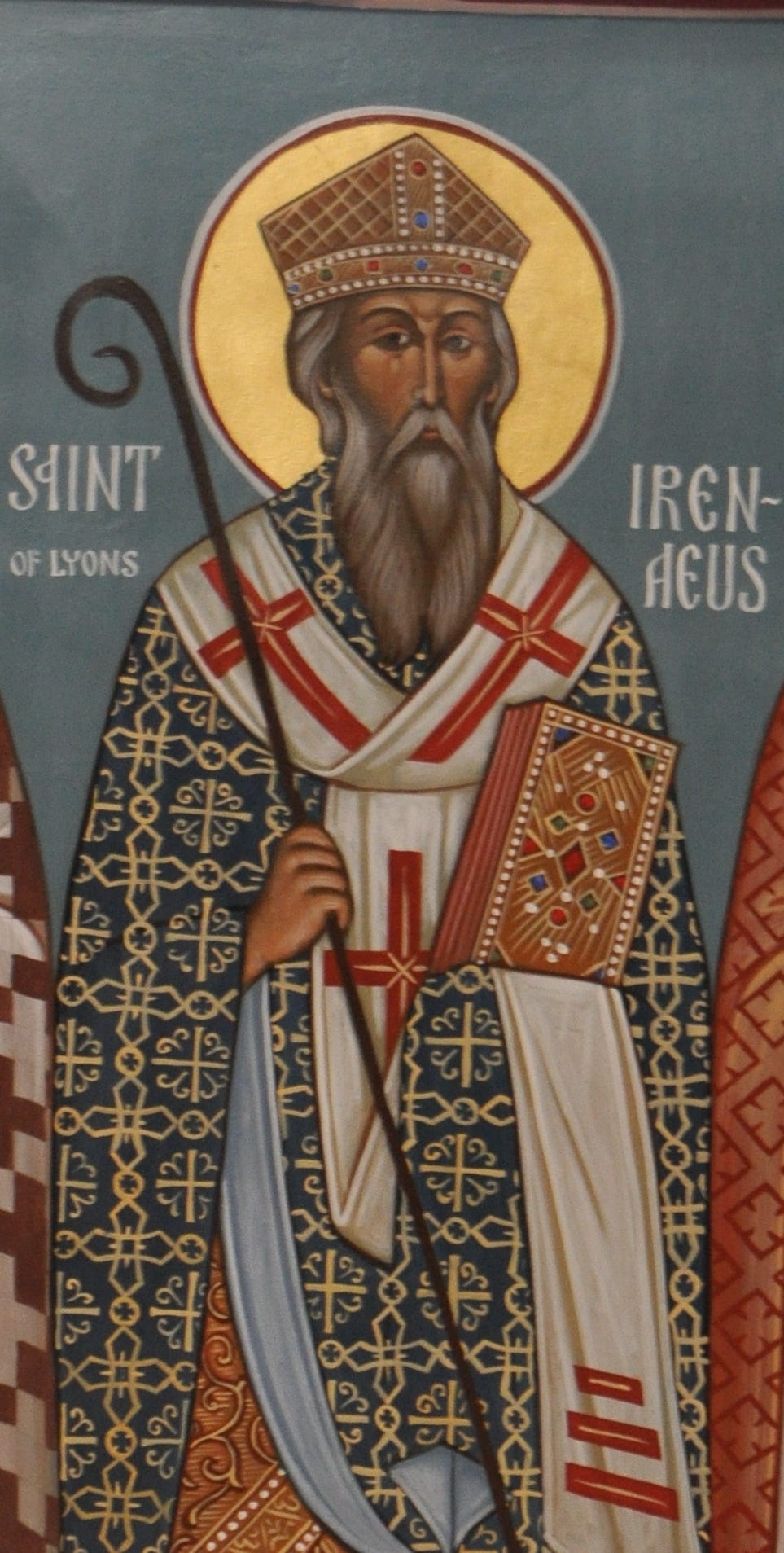
The reading was working. I decided to go even further back than a 20+-year-old writing book and reacquaint myself with an ancient ally: St. Irenaeus of Lyon. It turns out these questions about our humanity were something at the center of the early Christian church’s dialogue, too.
Irenaeus spoke out in the 2nd century against Gnosticism, a belief that was becoming increasingly popular at the time: the view that the material or physical world was dirty and evil and should, at all costs, be transcended spiritually.
Irenaeus found this heretical, for one simple reason: because Jesus was human. He said, “For the glory of God is a human being fully alive; and the life of the human being consists in beholding God.”
So, one lonely afternoon of restless anxiety, a month into the worst creative block ever, after weeks’ worth of wondering if I was no longer a writer, I considered the Saint’s invitation: If “the glory of God is a human being fully alive,” what does this mean for me now, here in the Age of Information?
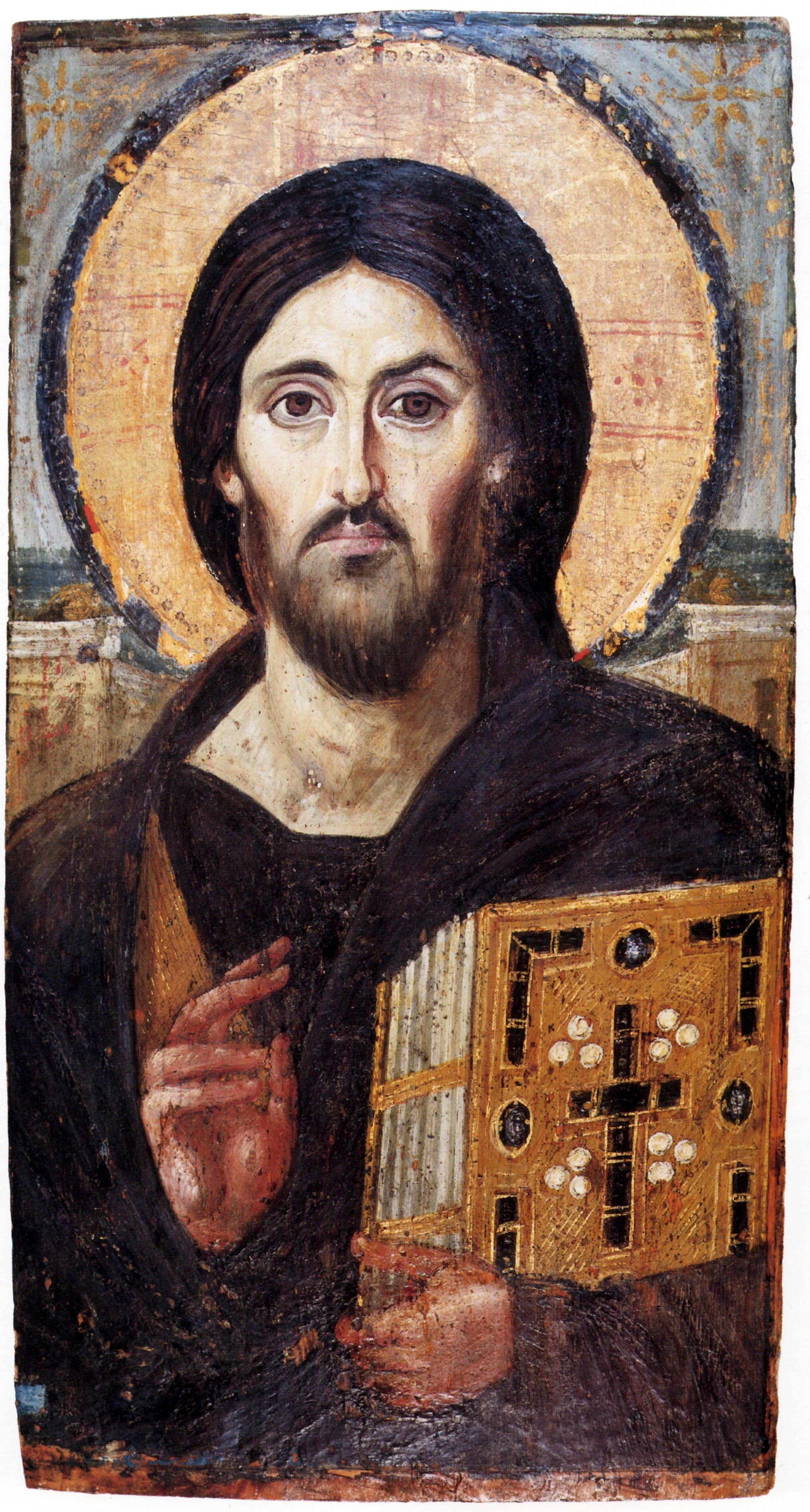
I put down the book and went to the mirror in my bathroom. I really looked at my face. The shape of my jaw had changed because of TMJ. The lines along my forehead and eyes were there even when I wasn’t smiling. I let the tears of frustration and fear run down and tried not to look away. I prayed that what St. Irenaeus said was true. That this reflection, this messy, embodied existence, my incarnation— I prayed I might believe it was more than a bag of lazy cells, more a liturgy of skin and bones, an offering, beloved and redeemed by the only God who was also human.
I realized that I’d had no problem accepting Jesus’s godliness; the miraculous healings, the authority with which he cast out demons, his resurrection—these were comforting, no, converting stories.
But what I realized that day at the mirror was that I had not really accepted his humanity, nor mine. I had not really seen his weeping, his thirst, his fragile, vulnerable flesh, fully alive— could this, too, be the glory of God? St. Irenaeus calls it a “theology of recapitulation,” when Jesus, through his earthly existence, from diaper to deathbed, makes every human season holy.
The glory of God is a human being fully alive.
As I let the Spirit console and challenge me, I realized that if Jesus inhabited a physical, human body, then our own incarnation isn’t something to transcend or push away—it, too, is a redeemed and sacred gift. He knew, better than any human, what it was to sit at the world’s window in longing, delight, and grief.
Being an artist then, first and foremost, means being human. Recognizing it as our greatest gift was what unblocked me.
Standing barefoot on the cold tile, I blinked slowly and sighed. Then I felt it. I wanted to write.
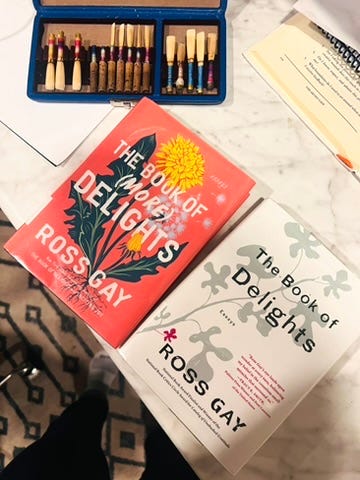
I paired St. Irenaeus’s Against Heresies with Ross Gay’s The Book of Delights, you know, as one does.
Gay’s daily essayettes—the small, grounding things he loved about his life— brought home the realization that our humanity is holy.
I couldn’t help but start collecting the moments where I felt most human—naming and noticing the untidy, vulnerable, joyful, and imperfect practice of being a living, breathing person right here and now. I wrote them down with the devotion of a monk in the notes app on my phone.
After one or two days, I realized the light was changing. My reflection slowly began to reappear. I called these moments my “Humanities.”
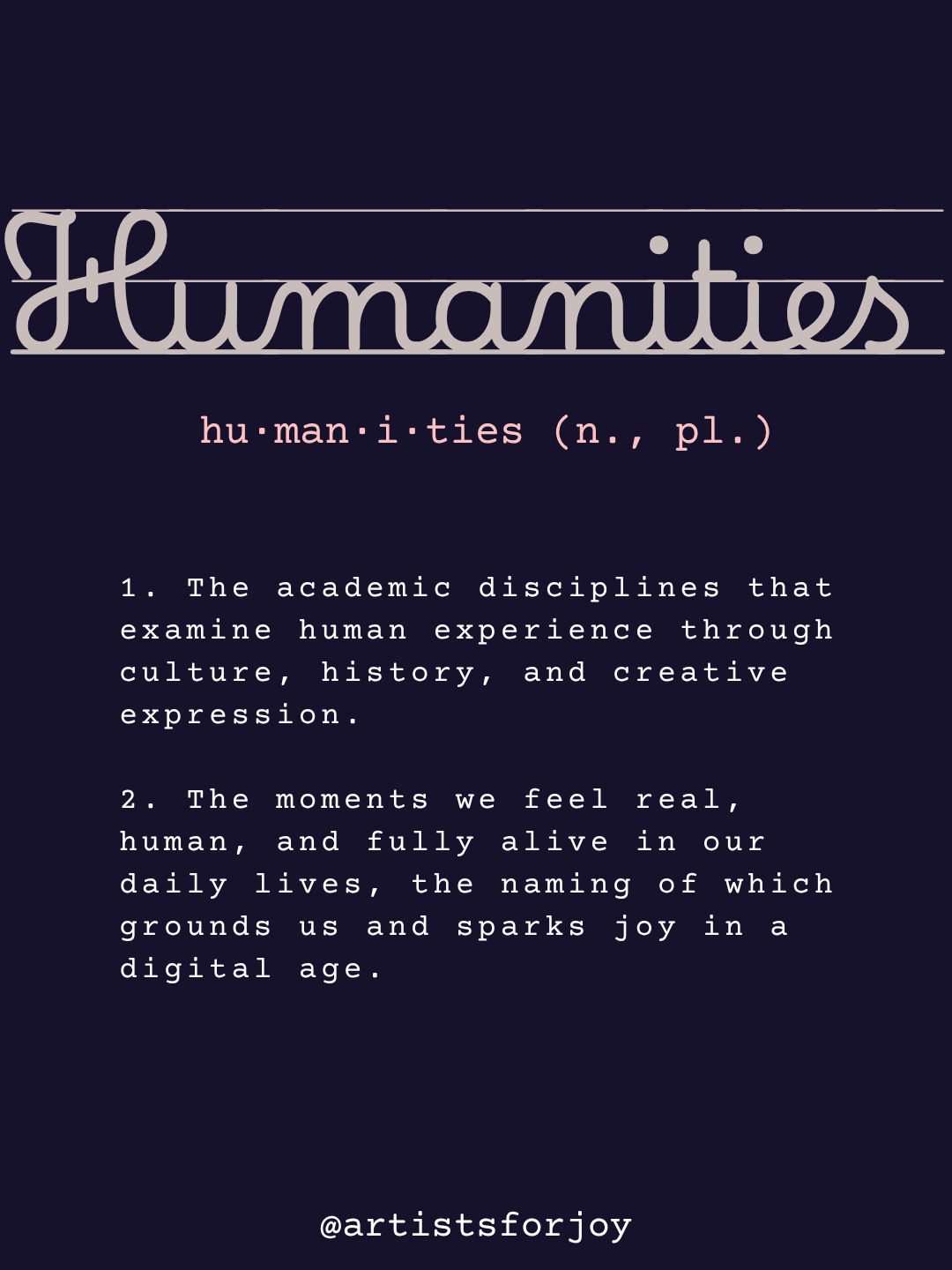
When you think of the word “humanities,” you likely think of the liberal arts—art history, anthropology, creative writing, or history. (All my favorite subjects in school, by the way.) In the classic sense of the word, when we talk about Humanities, we mean the academic disciplines that examine and explore human experience.
But aren’t the humanities, at their core, the practice of naming and growing our humanity in the truest sense of the word?
Naming my Humanities has not only unblocked me—it has deepened my faith in and love for Christ.
Here are a few of my Humanities from these past few weeks:
After lifting at the gym, after typing all day, after playing oboe for hours, the muscles in my forearms feel taut, like a loaded slingshot.
My 8-year-old daughter tells me that elephants are the only creatures on earth with four knees.
My dad, who has always hated talking on the phone, now wants me to call him and my mother every day.
My husband takes the spiders outside in a glass cup and gently releases them. With me, they are not so lucky.
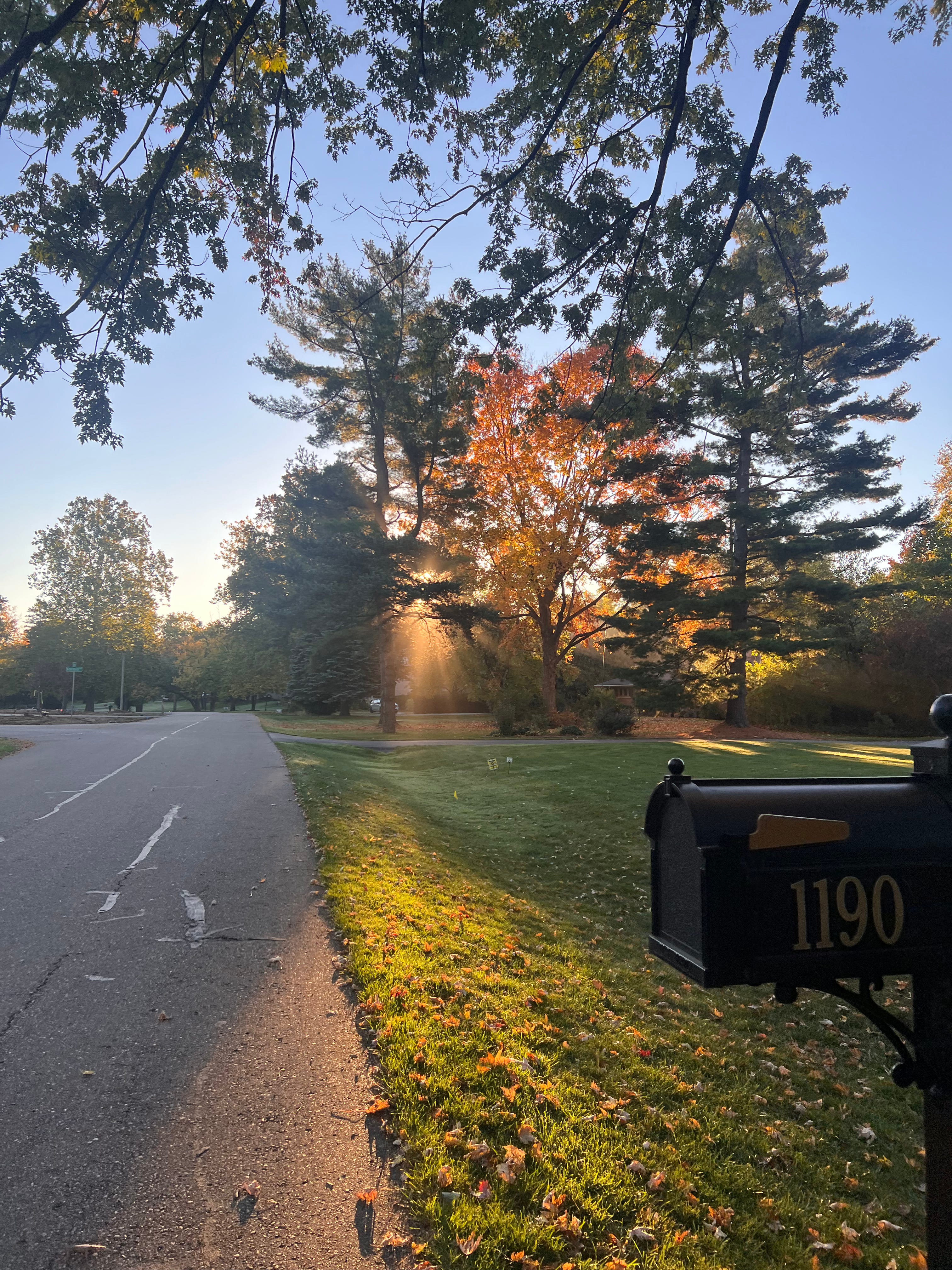
The sun breaks through trees on a fall morning; a particle, a wave, a mysterious lightsaber that breaks me open.
Feeling my daughter’s warm hand on my stomach, I realize I’d carried the cell that made her inside me since I was her age.
These Humanities were mostly unedited; the practice takes me less than 5 minutes a day to write. Some days I write a few lines in the notes app; other days I write longer paragraphs or pages in my journal or on my laptop.
I couldn’t wait to ask you: what feels real, human, and fully alive today?
I’ll be posting mine on Substack notes and IG stories for now. I hope you’ll join me.
What if our humanity is a gift we can practice receiving?
Not only to unlock writer’s block, not only to silence the malaise of this digital age, but to awaken us to the holiness of each human season, redeemed by One who knew them, loved them, all, intimately.
May our humanities make us more like him, anchored in the promise of his presence there at the window, whispering, like a faithful friend: do not be afraid.
You aren’t superficial or lazy if you can’t write. I know this with my head, but as soon as I lose my flow, my inner mean girl, right on cue, has a lot to say about it. You too?