

“In suffering lies the song of poetry,
like a hymn that liberates and penetrates to the bottom of the truth.”
—Flaben Lacombe (1921-1993), French journalist and poet, prisoner at Dachau, 1944-1945
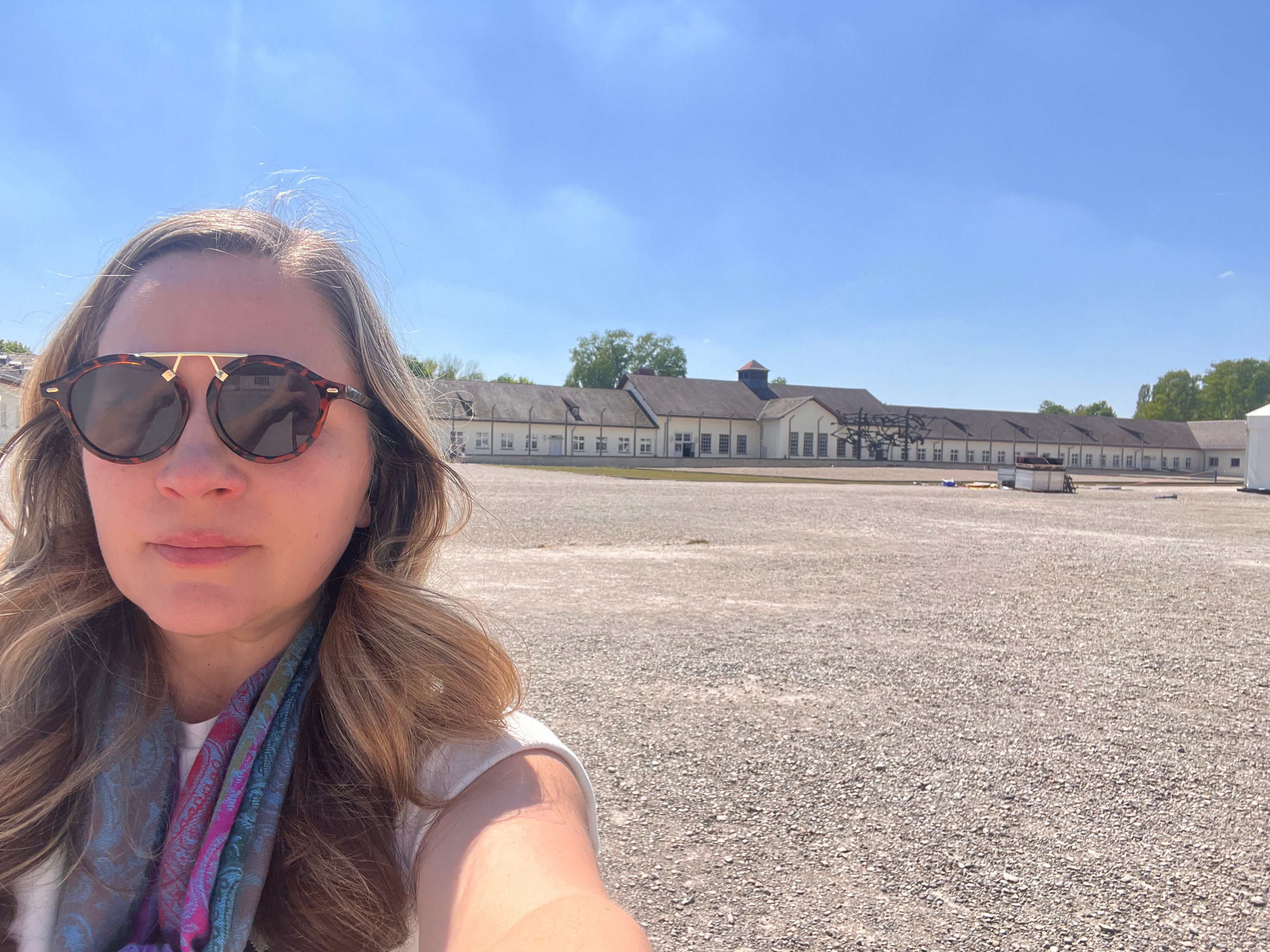
It’s been a few weeks since I stood at the gates of Dachau. We are home now from the incredible spiritual pilgrimage through Germany and Switzerland, led by my husband with Kirk in the Hills Presbyterian Church. But I am still processing the journey, especially Dachau.
Spring was heartbreakingly beautiful that day; the sun shone with an almost cruel clarity, highlighting the stark reality of the camp against the backdrop of new life. Fleeting bursts of light broke through the blooming poplar trees, attempting to brighten a place forever shadowed.
Our tour guide announced that the eighty-year anniversary of the camp's liberation was just two days prior. And here we were, at the very first concentration camp of the Nazis, the one used as a model for all the others, while from the ground stained by immense evil, immense suffering, came abundant green shoots of hope like some long-silenced chorus.
As much as I’d tried to prepare myself for this experience, as the bus pulled up, I realized I would never be the same.
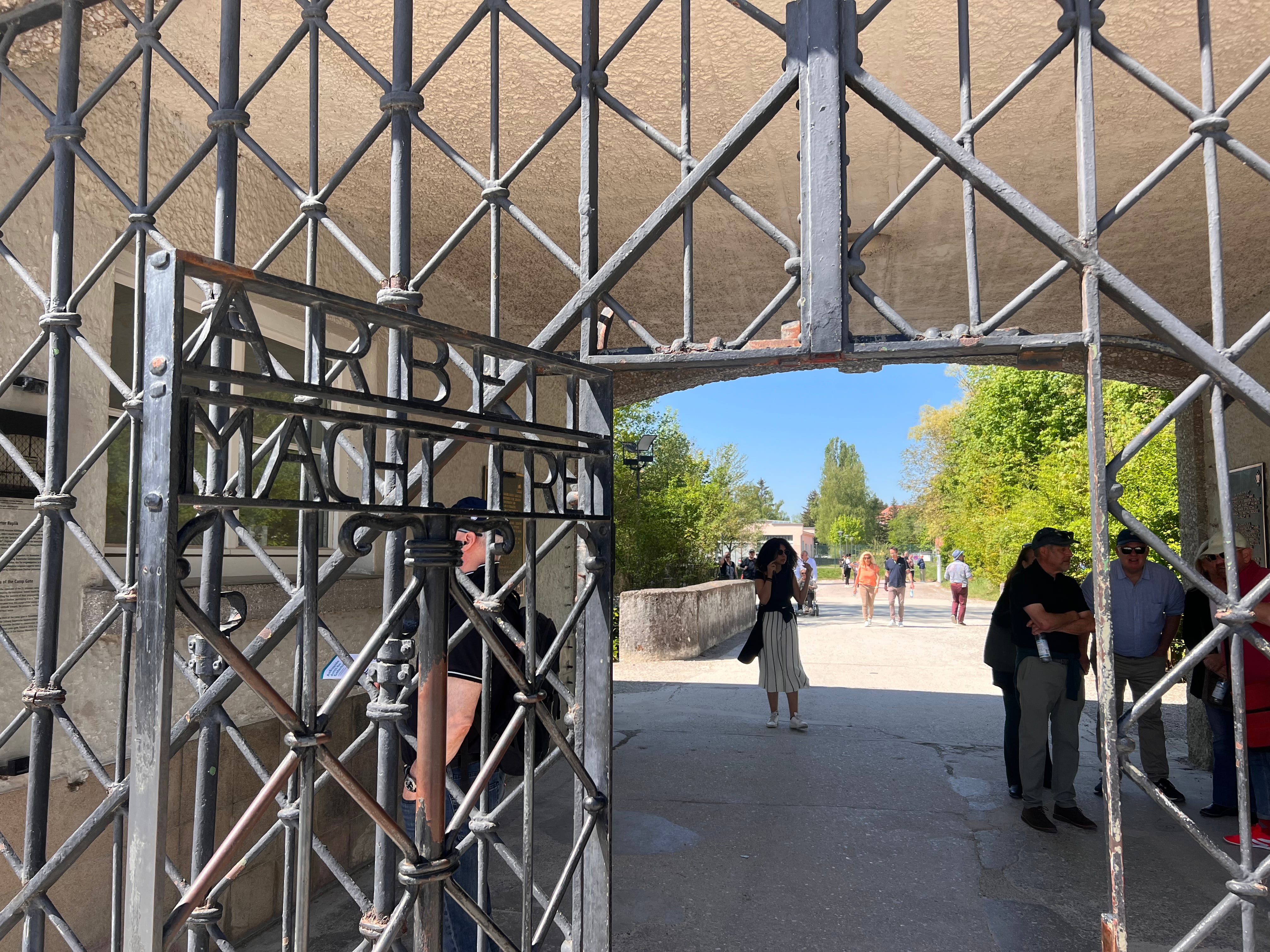
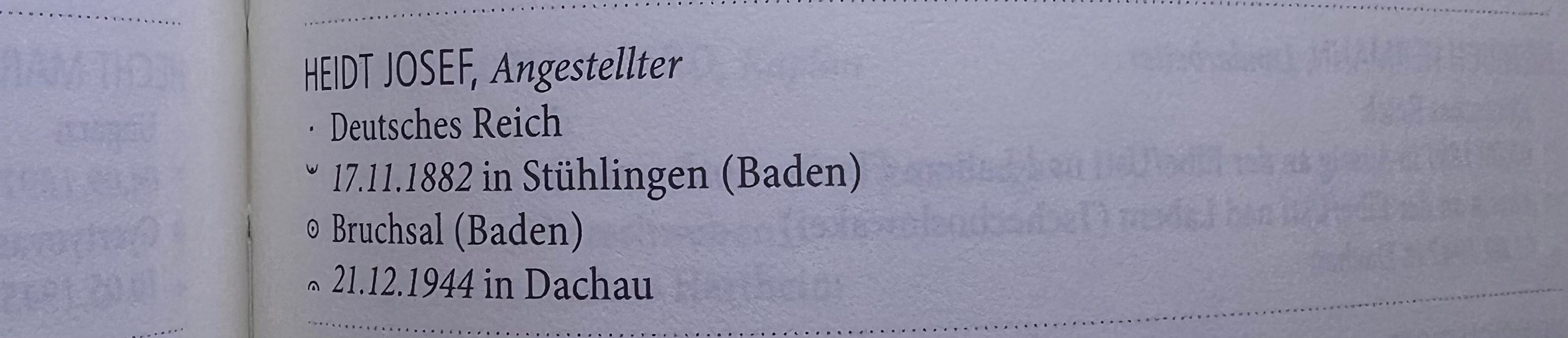
As we wandered from the bunker to the gas chambers to the crematorium, my heart broke open. In the memorial room, there was a large book listing the 33,000+ murdered. As I flipped through this book, I found a man, Josef Heidt, who shared the German spelling of my maiden name.
On the plane ride home, a poem came through me.
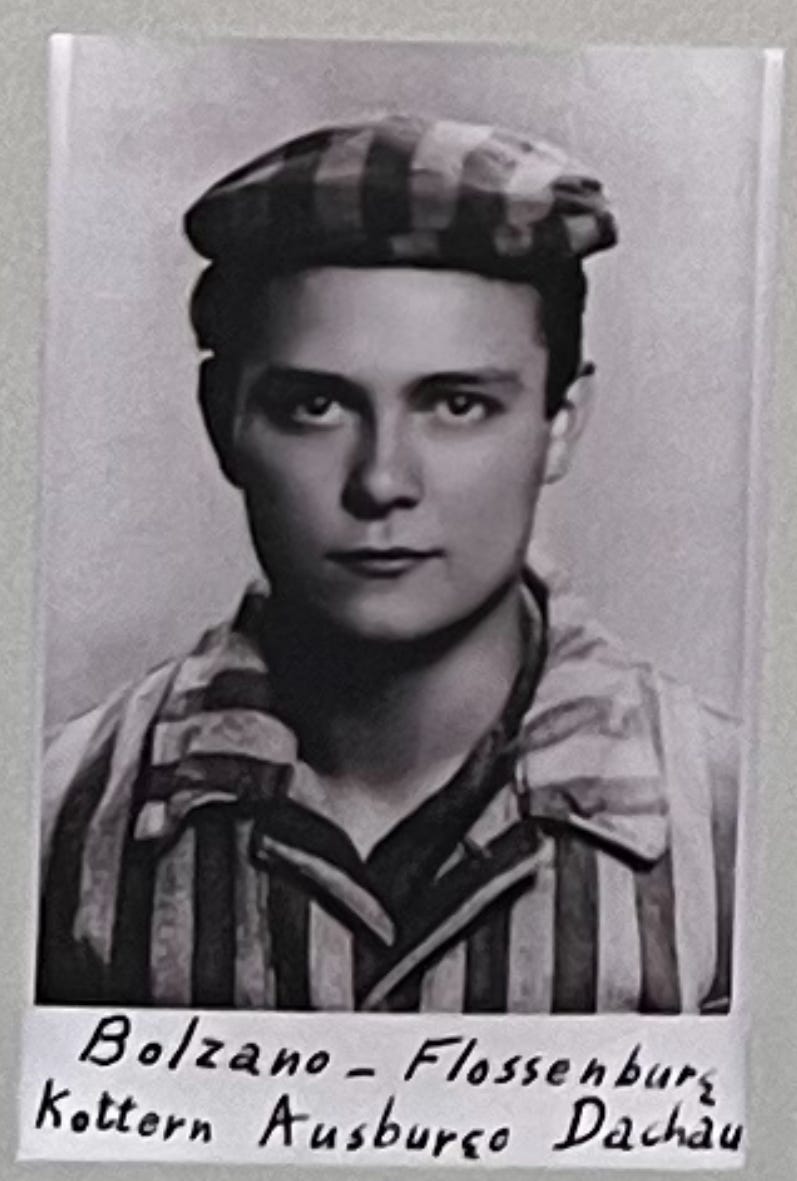
It shares the story of one man from Dachau, Mirco Camia, an Italian prisoner and poet himself. He believed that writing in Dachau, specifically finding a poem of a fellow prisoner, kept him going and saved his life.
It speaks to the power of art and the importance of our words.
They matter. They matter to God and to those who read them.
I hope this one will inspire you to keep creating, even in the face of immense suffering and the world’s brokenness.
The Pencil
To create in the camps was punishable by death.
One poem, scribbled hurriedly
with a pencil stolen from the foreman,
kept a man called Mirco Camia alive.
I walk the grounds of Dachau, 80 years since
and hear the scratch of the granite against the book of death.
The men who stripped them of dignity and clothing
added arrivals with that pencil:
it turned mother, brother, child,
from name to number,
a pencil for erasing the dead,
who cannot be erased.
Mirco found words of a cell block friend,
a belonging to one who owned nothing.
The stanzas, a song sung silently for decades.
Daily, the poem unlocked an inner gate,
penetrated to the bottom of a truth:
Art is how God loves us.
Art is how we love,
how we go on,
how we practice personhood.
What if each act of creation is still a potent word carved
into the wooden side of a bunker?
A mercy, an ember, to tend in the night,
to sustain in the shadows?
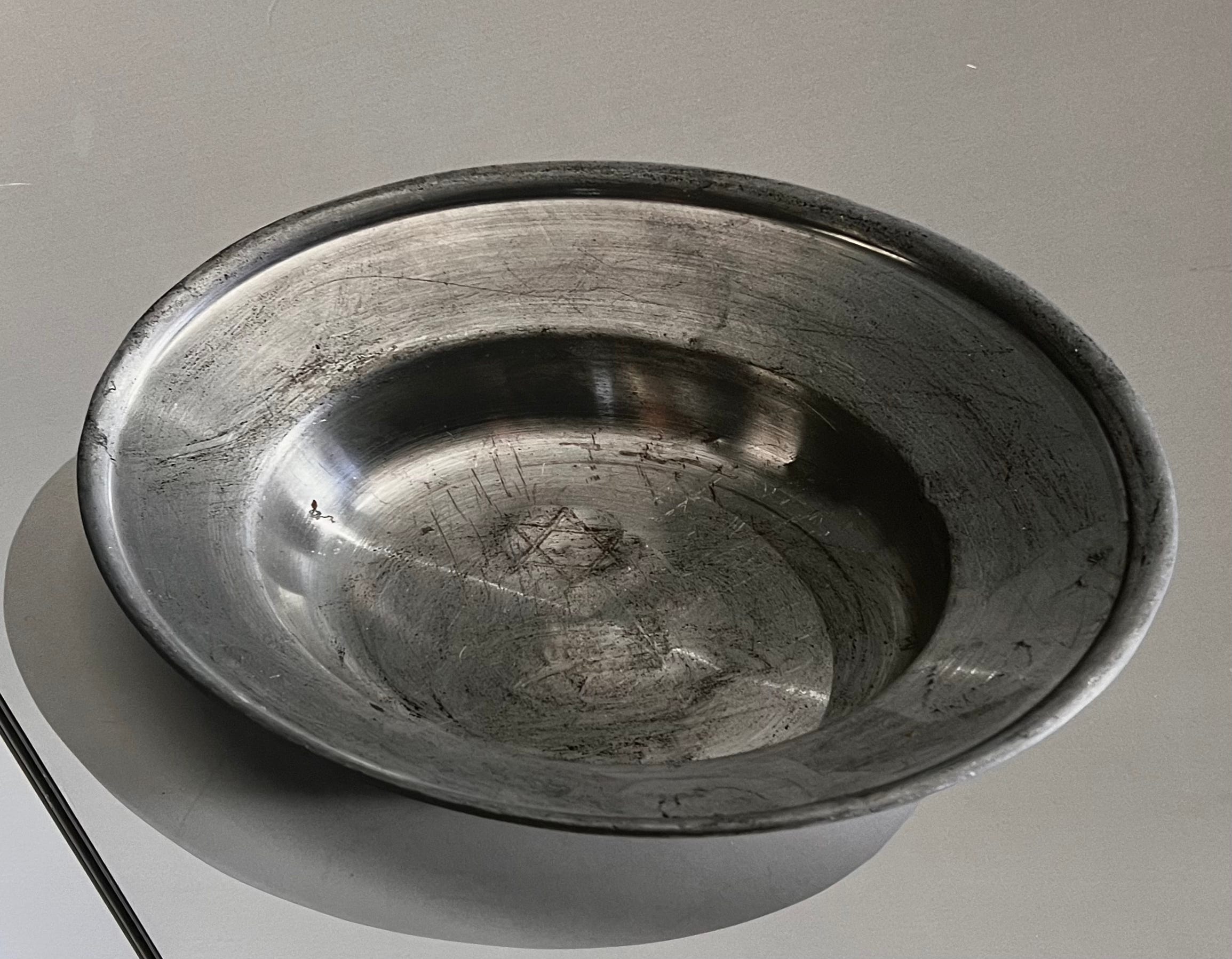
What if each Star of David
scratched into the underside of a metal bowl,
made with dangerous hope and courageous defiance,
is an altar?
They created with what they had,
because creating was all they had.
But where was their Creator?
If a poem could save a life,
then maybe all of art
is a rescue mission,
a flair in an inky-black sky.
What if words could split open barbed wire,
shield you in the death strip?
May you dare to believe that the Creator of words and worlds,
knows you by name
that he never once looked away
that you are listed there
in his book of life.
I pray we are ever brave enough
to steal the pencil.
What a powerful poem. I’ve been to Dachau a few times. Each time an impression of a haunted place that cries out for a humanity to listen to the stories of the ghost who suffered there. Thank you for sharing. Add this to your things to never forget.
I’ve been to Dachau when I was a missionary in Amsterdam. You captured the life-changing impact so well. Those images, seared in my mind, came back to life as I read your post and poem.