

If you’ve been following along on the podcast and Instagram, you may already know that I’ve been taking a break from writing, practicing, and podcasting (and from all the regular rhythms of everyday life, actually) to recoup before the book launch1 and travel a bit with my husband.
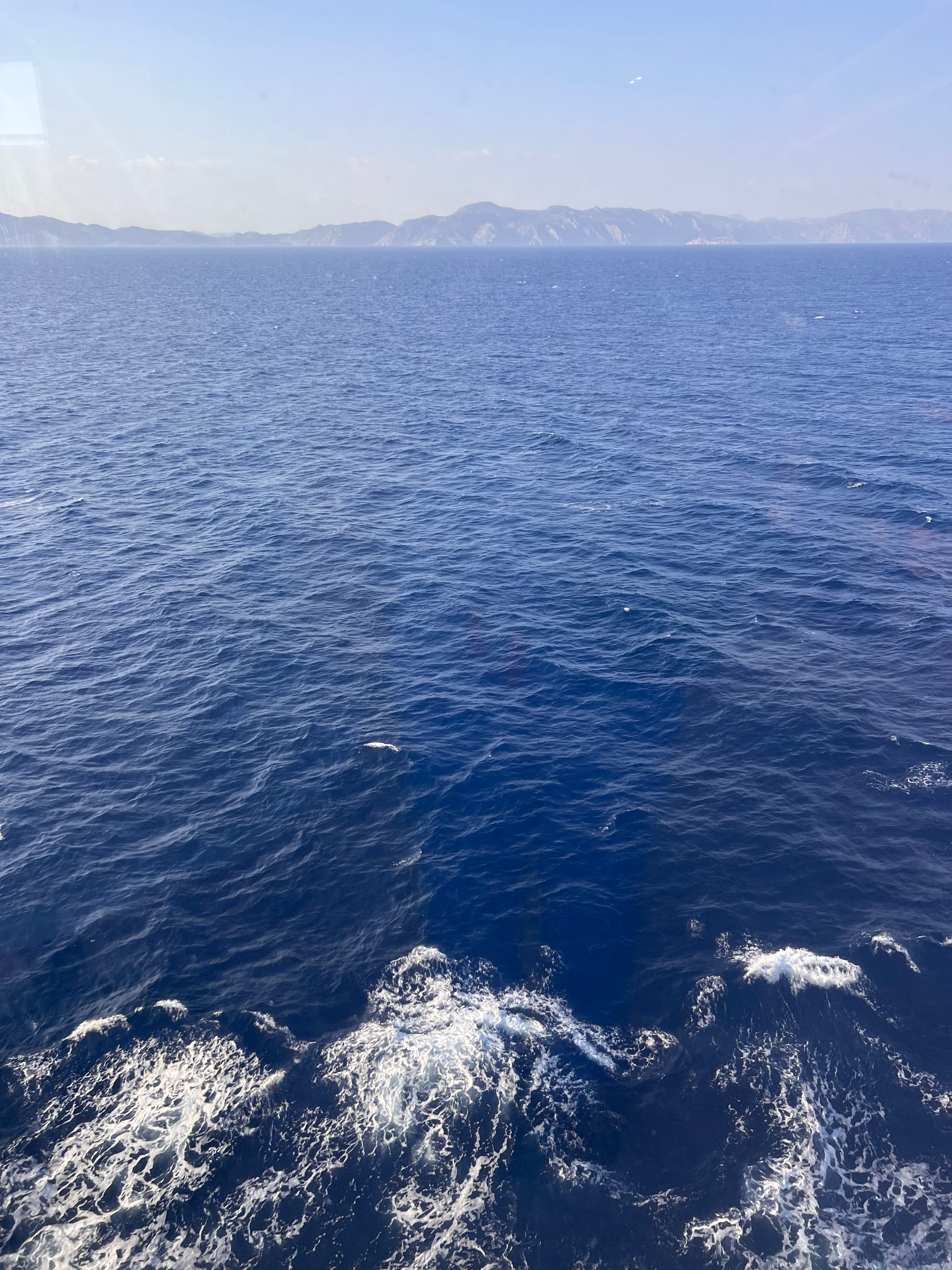
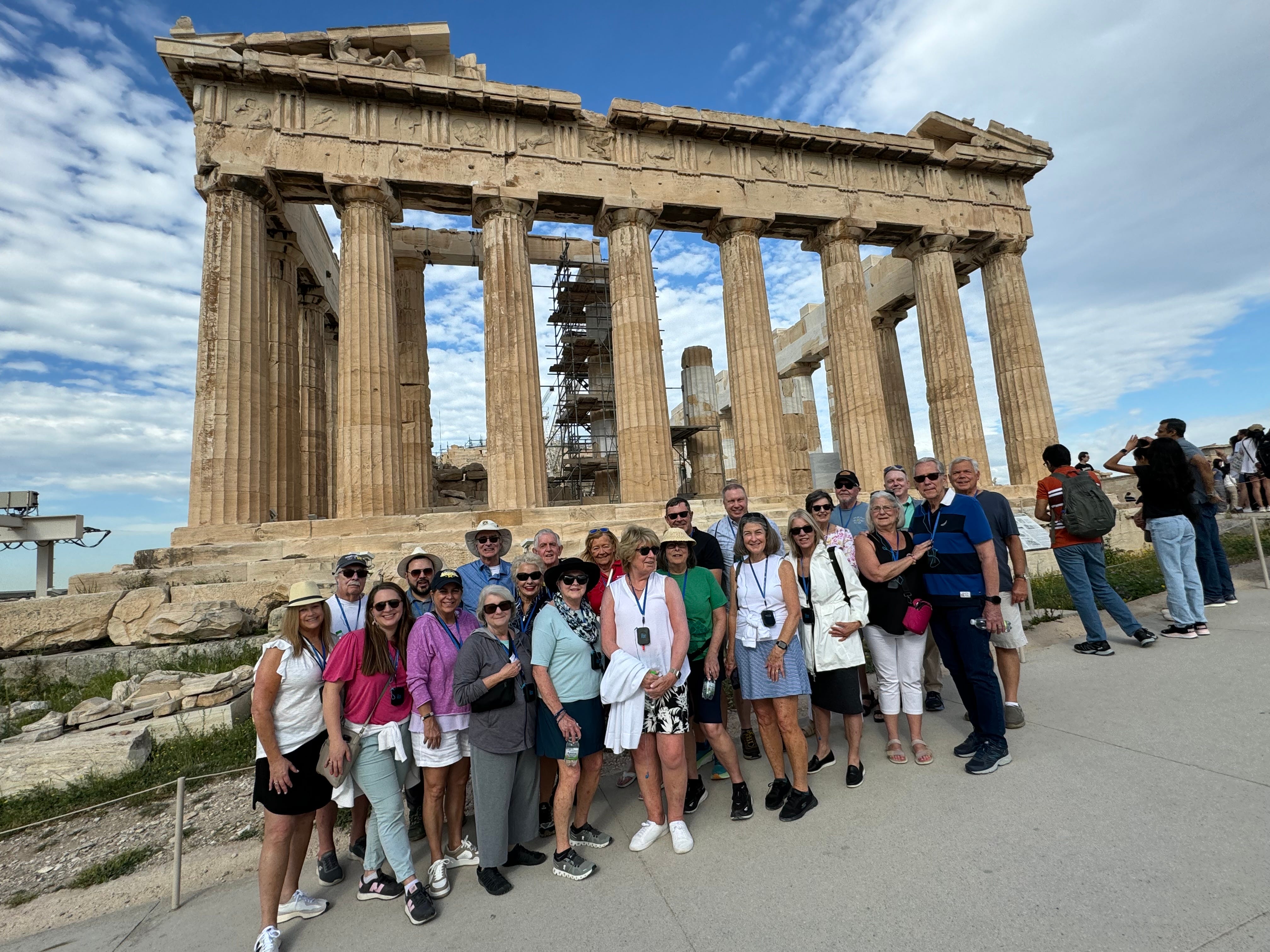
Kirk in the Hills, the church where my husband serves as a full-time pastor and I work as a part-time musician, hosts an annual spiritual pilgrimage. These trips combine sightseeing with spiritual seeking, deep reflection, and religious devotion. So far, Edwin has been able to lead two pilgrimages with the Kirk—to Scotland and Egypt. Usually, I stay home for both kid and work reasons.
The 2024 Pilgrimage was to Greece and Türkiye, two nations I had never visited and always wanted to see. And, by some miracle, this was my year: we learned last fall that I could come along!2
It was an incredible adventure. There is a lot to say about it, most of which I don’t feel ready to share quite yet. I’m not even sure where to begin, honestly.
Not only am I still processing, but I also wonder if readers would want to hear about these travels. While my writing is almost always spiritual, I rarely share directly about my personal expression or journey of faith. These topics come up when writing about creative joy, but I mostly keep the discussion broad to be as inclusive as possible. I love meeting you where you are.
Still… since we’ve been home, I have felt a quiet urge to write and share some of my experiences with all of you.
<Enter a perfectly timed synchronicity>
Yesterday, during Pilgrimage Sunday, where we celebrated the pilgrimatic3 nature of faith in general, I spoke (briefly) during the service, along with five other pilgrims, about how the trip impacted me. Afterward, a few people asked if I was considering making my reflections shareable. That was all the invitation I needed to offer you this deeply personal bit of writing, so here we are.
Keep reading for a short meditation that I wrote about one particularly powerful experience on the trip. Slightly edited from its original context, and here on Substack only, I leave it here as an invitation. May you take what is meaningful to you on your own journey and leave what is not.
Thank you for reading, friend.
What happens after the end?
I always found it incredible that while dying, Jesus made arrangements for his mother from the cross. He called on his disciple John, the one He loved, and told John to take his mother into his home. “‘Woman, here is your son,’ and to the disciple, ‘Here is your mother.’”4
But what happens after the end?
After the worst possible scenario becomes real, after our carefully constructed temples of what is supposed to happen, of wrong and right and up and down, of just and unjust, what happens when they tumble in a blur of blood and grief?
I’ve often pictured Mary at the cross; it’s one of my favorite images in Scripture. While in my Presbyterian tradition we do not pray to God’s mother, I’ve always felt a kindredness with her. (My grandmother’s name was Mary, and one reason my parents named me Merideth was to call me “Meri,” as a nod to my father’s mother, and—as I chose to believe as a kid—the Mother of God.)
This is the Jesus I love most, too, by the way. The child who loved his mother, the man who, at his moment of greatest pain, thought of her.5
But I must confess I never thought of what happened to Mary after the end. What it must have been like. How she was carried— weeping, no doubt—into a strange place, unsure if there was life after this, most horrible-of-horribles. To give birth to God in the flesh and then to watch him die. As my father says, “No parent should ever outlive their child.”
What happens after the end?
For Mary, what happened happened on the outskirts of Ephesus in modern-day Türkiye.
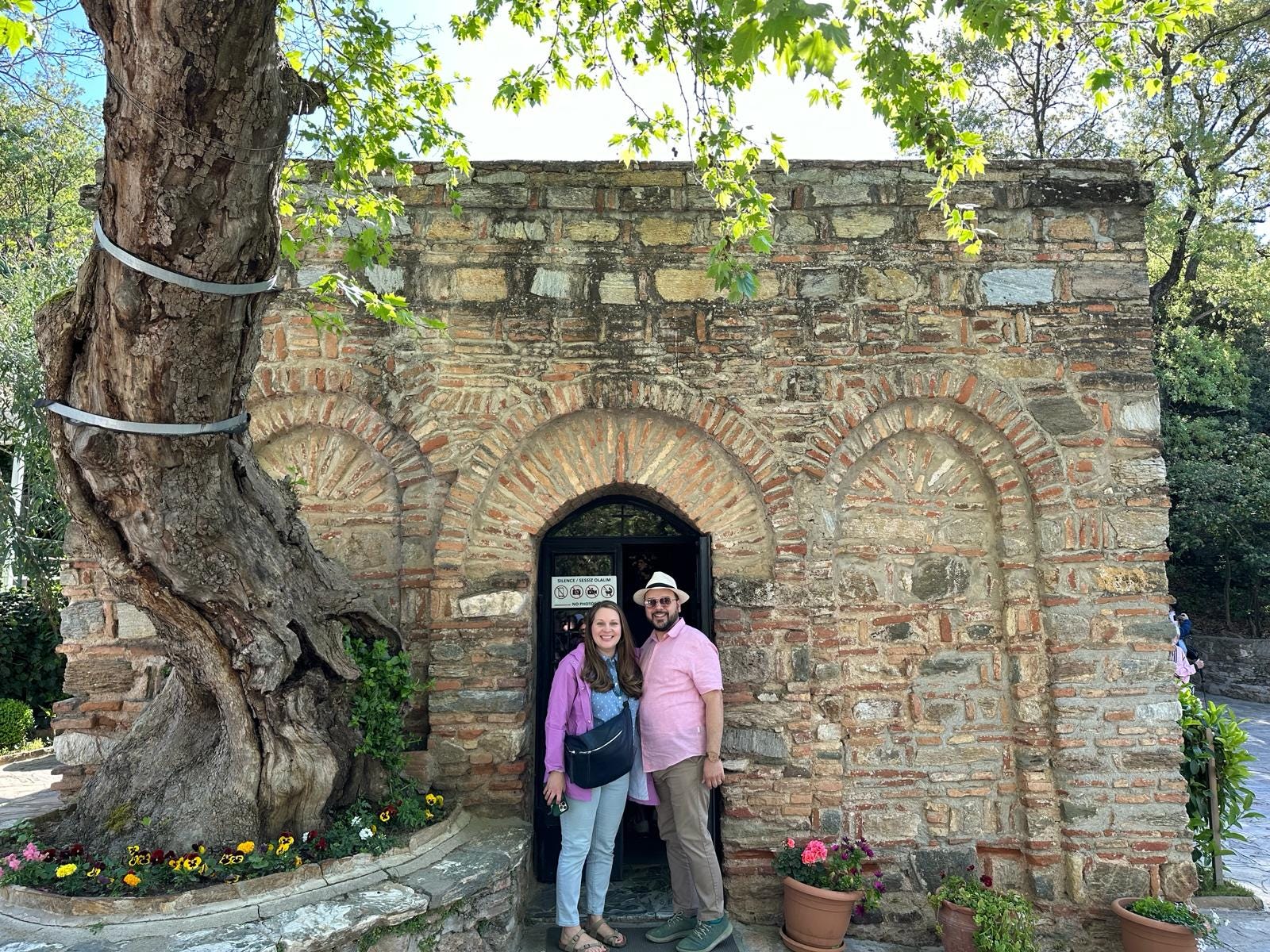
On a sunny morning, Day 6 of our pilgrimage, we awoke to the news that no spots were left on the Biblical History Tour, and we would not be going. If you’ve met my husband, Edwin, you know he’s nothing if not resourceful. Edwin, Rev. Dr. Chip Hardwick (another pastor from the trip), and I exited our ship, walked past all the dutiful pilgrims boarding tour buses, and found ourselves a yellow cab. (Yes, they have yellow cabs in Türkiye.)
After some haggling about the price, Onur agreed to deliver us to Mary’s house. We spoke of her like she was a friend we had in common.
Having spent the last five days doing what I was told and following tour guides like Moses, this was new and exhilarating. Onur spoke English well enough and gave us all the history we’d ever wanted. He also offered to deliver us to affordable and trustworthy purveyors of leather, rugs, and other Turkish delights. What more could you ask for?
We climbed and climbed the Mediterranean cliffs in the Yellow-Cab-That-Could, past tangerine, pomegranate, and olive trees, past breathtaking views of the Aegean sea, past what we could make out of the ancient city of Ephesus. Soon, our car stopped. Onur told us he’d meet us at the exit in an hour.
A small stone building stood ahead. Was it a water closet? A souvenir shop? No, it was Jesus's mother's last earthly dwelling place.6
So this is what happened after the end: this simple home in the most serene place, now a chapel and shrine, bidding both Christian and Muslim pilgrims come to pay their respects.
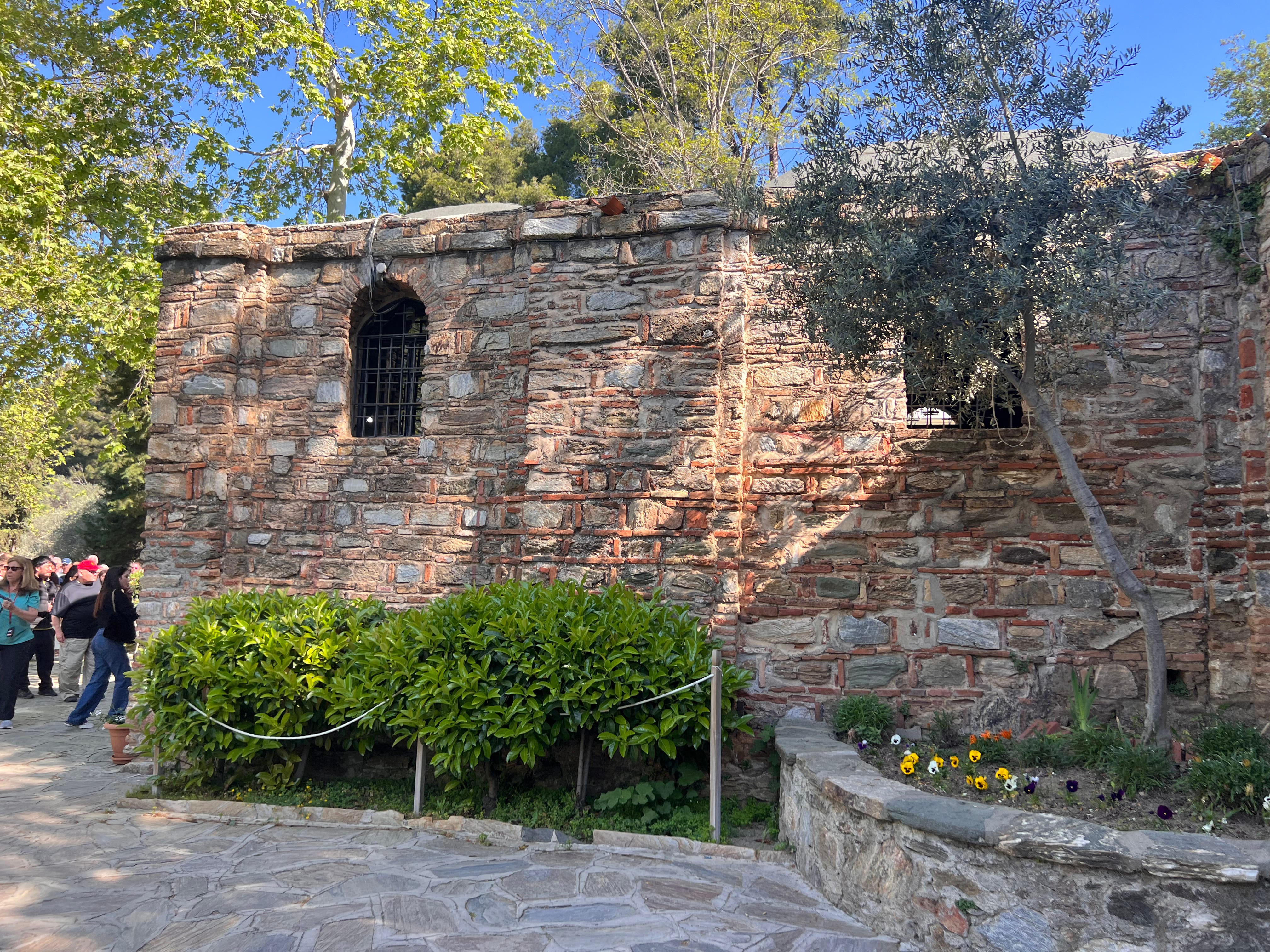
We’d seen and would continue to see so many temples and grand structures in Athens and Ephesus and Istanbul, temples and mosques and piles of rocks dedicated to the worship of Artemis and Apollo and every god in between. (Most with a lowercase g.) But Mary’s house, a peaceful retreat, a humble home hidden in the hills so far from the world she’d known, was, to me, the most beautiful structure of them all.
After you exit the one building—and I cannot reiterate how small it was; it took 10 seconds to walk through—you come along a stone structure that pilgrims have turned into a prayer wall. Mary’s visitors write prayers on small pieces of paper and tie them to strings or stuff them in the holes within the rock.
We wrote our prayers, too. I tore a page from my journal, and what I want most to tell you is that we prayed for you. Edwin and I prayed that God would be with everyone we told about this place—with members of the Kirk, with members of the Artists for Joy community, and with everyone we love and serve. Here’s a video of me leaving our prayers inside the wall. (The birds and sunlight were just incredible, right?)
My prayer was that you would know that what happens after the end is that God meets you.
That even when all seems lost, just as Jesus thought of his mother at that end, God provides for you and for me.
That even when we cannot see how we will get up that mountain or heal from that hurt, God’s gentle, humble, upside-down, inside-out kingdom confirms something that Mary knew better than anyone— “All things are possible with God.”7
Your name is on a small piece of paper inside a wall on a hillside near Ephesus, where Jesus’ mother was said to have lived.
The pilgrimage taught me many things, but this is what I most want you to know: you are loved and not alone, and sometimes, what we perceive as the end… is just the beginning.
There will be so much more on this soon, but if you didn’t know, my book, “The Artist’s Joy,” will come out in 8 weeks! You can preorder it now ;)
I’d be remiss to write one more word before thanking the many generous people who made this trip possible (you know who you are), especially my mother-in-law, who stayed with our kids for almost 2 weeks! If you see her, give her a hug!
Prob not a word, but stay with me.
John 19: 26-27
This makes me want to ask you (if you are a Jesus fan,) which Jesus do you love the most?
You can read more about the history and legend behind the house here. It is very interesting, so if you’ve got 10 minutes, do a deep dive. You won’t be sorry.
Matthew 19:26