

Hi there! Welcome to Art’s Open Door—and an extra warm hello to all those who have joined us recently! Normally, you’d find an audio version of this essay waiting for you in your podcast feed, too. Between all the travel and concerts lately, I haven’t been able to get behind the mic. My inner perfectionist has had plenty to say about that (which feels fitting, given today’s essay). I love creating audio, and look forward to getting back at it when the schedule breathes again. Until then, happy reading. I hope you’ll take a moment to share your thoughts in the comments. I read every one. Thanks for being here.<3
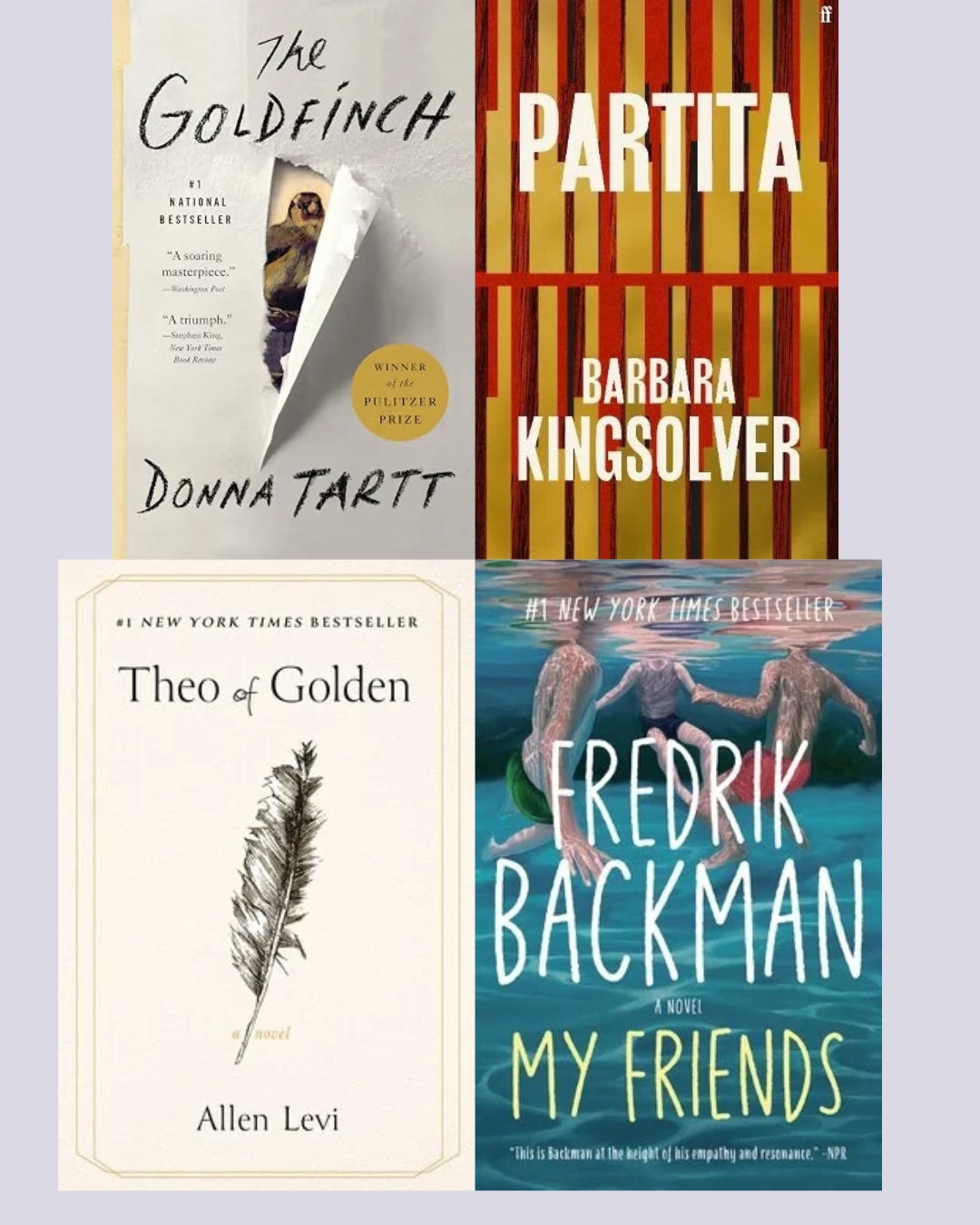
I am on a quest to read as many novels as I can about the power of art. The reasons why are probably obvious. I’m an artist myself and a creative coach, and in an effort to outrun the pesky despair that seems to be nipping at our heels these days, I’ve made myself a student of how art impacts us, why it matters, especially in these times. There’s a message I desperately want my soul to believe— art matters because making makes us human.
So far, I’ve read: Donna Tartt’s The Goldfinch (the book that ignited this quest!), Fredrik Backman’s My Friends, Theo of Golden, and now Partita— Barbara Kingsolver’s latest, a coming-of-age story about a classical pianist from rural Tennessee who finds herself at a competitive musical school.
Sound familiar? I have surely seen myself in more than one aspect of Livia’s story. At one point in my life, I, too, tried to change my accent. I worried about pronouncing words and titles in foreign languages wrong. I’ve had the deep desire to belong, and I’ve felt—my favorite aspect of Kingsolver’s telling of this story— an all-consuming longing to embody the music that made my soul sing.
When I say I read novels, I mostly mean I listen to them, which also counts as reading, of course. On an average day, you’ll find me walking, doing laundry, or making dinner with one AirPod in, letting the story lift me from my domestic duties and deliver me to another world. When I really love a book, I’ll buy the audiobook and get the hard copy from the library or a bookseller for keeps. The quote you’re about to read from Kingsolver’s Partita— when I heard it, I put the spatula down and turned the stove to simmer. I grabbed my phone and noted the chapter and timing on the audio. The next day, I went to Barnes & Noble and found the page number so I could read the words again.
Our narrator and protagonist, Livia, speaks here, reflecting on how her unexpected romance with a local man, a non-musician—Sigurd— was affecting her work ethic and drive.
The truth was, I was scared of being ridiculous. I could see the other music students coming up behind me, pushing everything out of the way of their ambition to be the best, and the ones up ahead of me, still pushing. Where was the goodness in our lives, what did we have, any of us, but a blind devotion to something that meant zip, basically, to the great scramble of humans out there on the green grass of the world? This “best” we were after, was it not just an elite society of the ridiculous? We went to our practice rooms like factory workers to the line and at the end of our shift, our product was a piece of music played in a new way. It’s been played already thousands of times. Recorded. If my interpretation was new, who in the world would recognize that, but a handful of peers in our society of the ridiculous? If anybody else even came to hear me, it would sound the same to them as when other pianists played it. They could buy the record.
I didn’t tell Sigurd my crisis was his doing, but I nursed a suspicion it was. Right from the beginning of us, I’ve had this feeling of slipping out of my old skin. Crisis, or jailbreak. I took his hand and stepped off my little planet, and could look back at it now with a critical eye. As long as I’ve stayed completely inside my pursuit of the next cadenza, the next performance, spending my life with nobody but other students and professors doing the same, there’s been no chance to examine the project. You can’t see the ground standing on. We had no inclination or even the time to ask, what are we doing here? What good is music?
Barbara Kingsolver, Partita, page 107
I remember when I stepped off my little planet myself. I spent most of my college and graduate school years with very few friends outside of the musical sphere. It was difficult not to, with the hours we kept. Plus, the practice room can be lonely. A friend who truly understands how and why and how hard it is to spend hours attempting to improve one minuscule muscle’s memory? In the reed room, we were fighting to get reeds to a specific thickness: off by a few hundredths of a millimeter, and they wouldn’t work! It can be hard to keep company with people who do not understand that Sisyphean pursuit.
I’ve heard it so often from friends and coaching clients, too. It is hard enough to face down our own limits every single day, much less explain to the world why it matters, this pursuit of…what? excellence? mastery? ease? beauty?
While I never went so far as to call the music world the “society of the ridiculous,” I have asked myself many times throughout my musical life and now as a writer:
If there’s always someone better…
If there’s already a perfect recording (or 50)…
If no one pays me for this, when I’m investing so much more than I’ll ever get back financially…
If only [insert number that feels low here] people clicked, commented, or bought the book…
If only a small percentage of humans on the planet will ever understand what it took for me to make this sound and play this music this way…
If a computer can make things faster and more cheaply…
If no one cares that humans have spent literal decades honing this craft, just to be passed over for a computer who is perfect yet soulless…
If it feels like no one understands or values this but me…
What *is* the point?
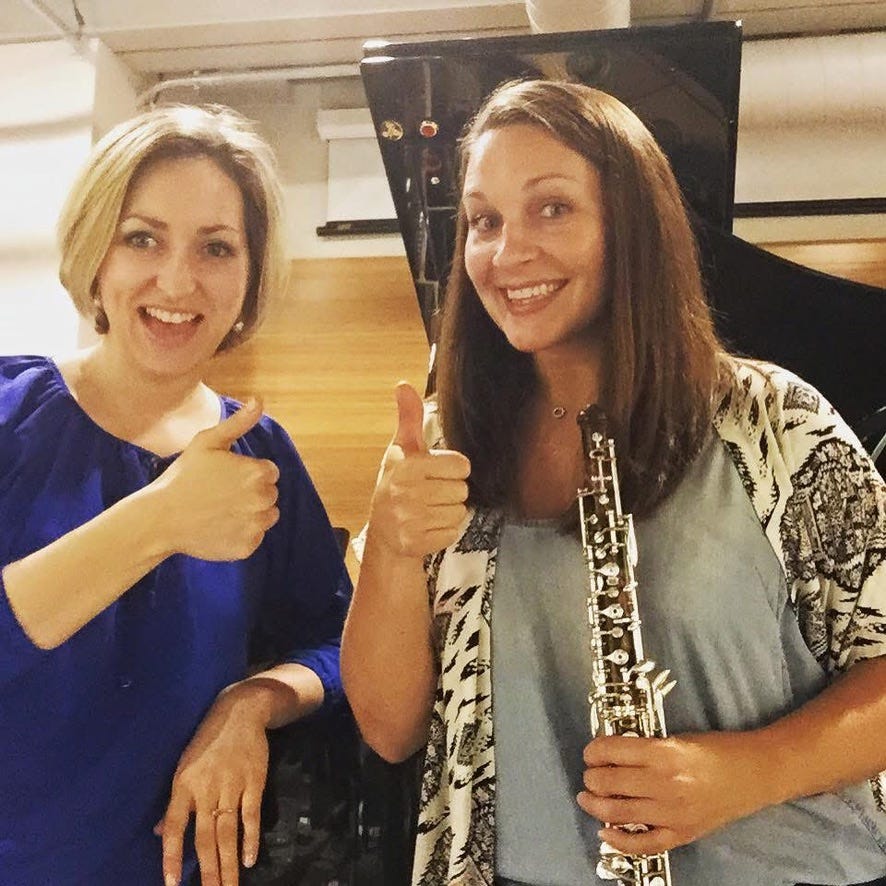
Maybe you’re there right now. It’s discouragement, sure, but that word doesn’t cut it, does it? I love the way Kingsolver describes this feeling in the novel because it feels like equal parts crisis and jailbreak. In these moments of doubt, it feels as if the very ground you were standing on has shifted. It feels like you began climbing a ladder at great cost to yourself, and the higher you go, the further you have to fall. Don’t look down. But don’t look up either! It’s just more ladder.
I don’t blame you for wanting to get off, for wanting to take someone—anyone’s — hand (however wrong they are for you, Livia!) and step off that planet of constant striving. It’s exhausting.
Having these doubts doesn’t mean you aren’t dedicated.
It doesn’t mean you are lazy or weak.
I believe, just like for Livia, these moments invite us to see that we are so much more than what we do. These crises communicate imbalance, a weight we’ve been shouldering for too long.
You may believe it would be better to quit than fail. Or maybe you haven’t dared to stop long enough to even know how you feel or ask about the point. That’s why the line, “As long as I’ve stayed completely inside my pursuit of the next cadenza, the next performance…there’s been no chance to examine the project,” hits so hard. The relentless pursuit of product works for a while. It numbs us from all we are ignoring, especially if we are successful for a time. We don’t rest because we are afraid of who we might be when we really “examine the project.” We see the ways we have abandoned ourselves.
I started my own existential crisis journey, the attempted jailbreak, questioning everything about my career as an artist, the asking “what is the point, anyway?” almost 15 years ago. I realized as I read Livia’s story that I have grown immensely from asking these questions, however scary/numb I felt at the time.
What I know now is that asking the “what’s the point?” questions is, first and foremost, an invitation.
It is your brain craving a limit, a motivation, a clear direction, or a break. Witnessing the question and getting curious about it, I now see that the doubts themselves were the beginning of a shift towards greater sustainability and, eventually, joy.
The popping of the worldview bubble, the deconstruction of fine art, and the Western classical pursuit of perfection, as scary and painful as it felt in the moment, were ultimately a way God helped me let go and dethrone the idol of my own success.
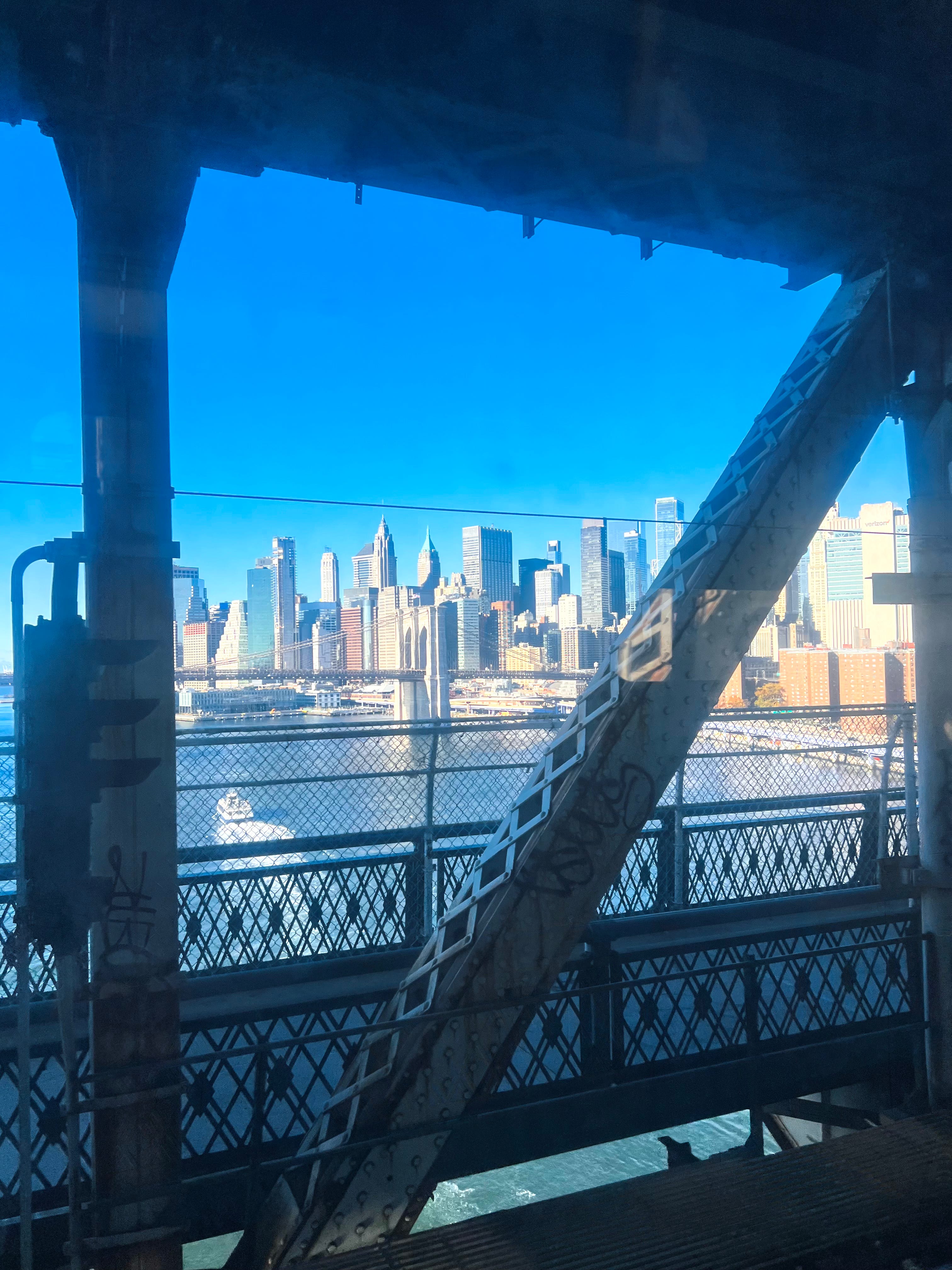
I’ve been in my favorite city in the world this week, the place where I, like Livia, first started to notice the ground I was standing on. Where my burnout and exhaustion had led me to question everything about my path as a musician and creative. I’m here for two book events, scheduled around a concert with my beloved Chamber Orchestra of NY, an orchestra I’ve been a member of since 2009. This week I’m in charge of the English horn solo in Dvorak’s New World Symphony, an excerpt I’ve been practicing off and on for almost 25 years. I’d say full circle, but it’s more of a circuitous path with some familiar stops.
Even though I’ve spent the last 15 years since leaving New York “examining the project” and untying my value from what I make—with the fretting over reeds and intonation staying as constant as death and taxes—I realized this week that knowing the point and actually believing it are two different things.
Leave it to New York City to help.
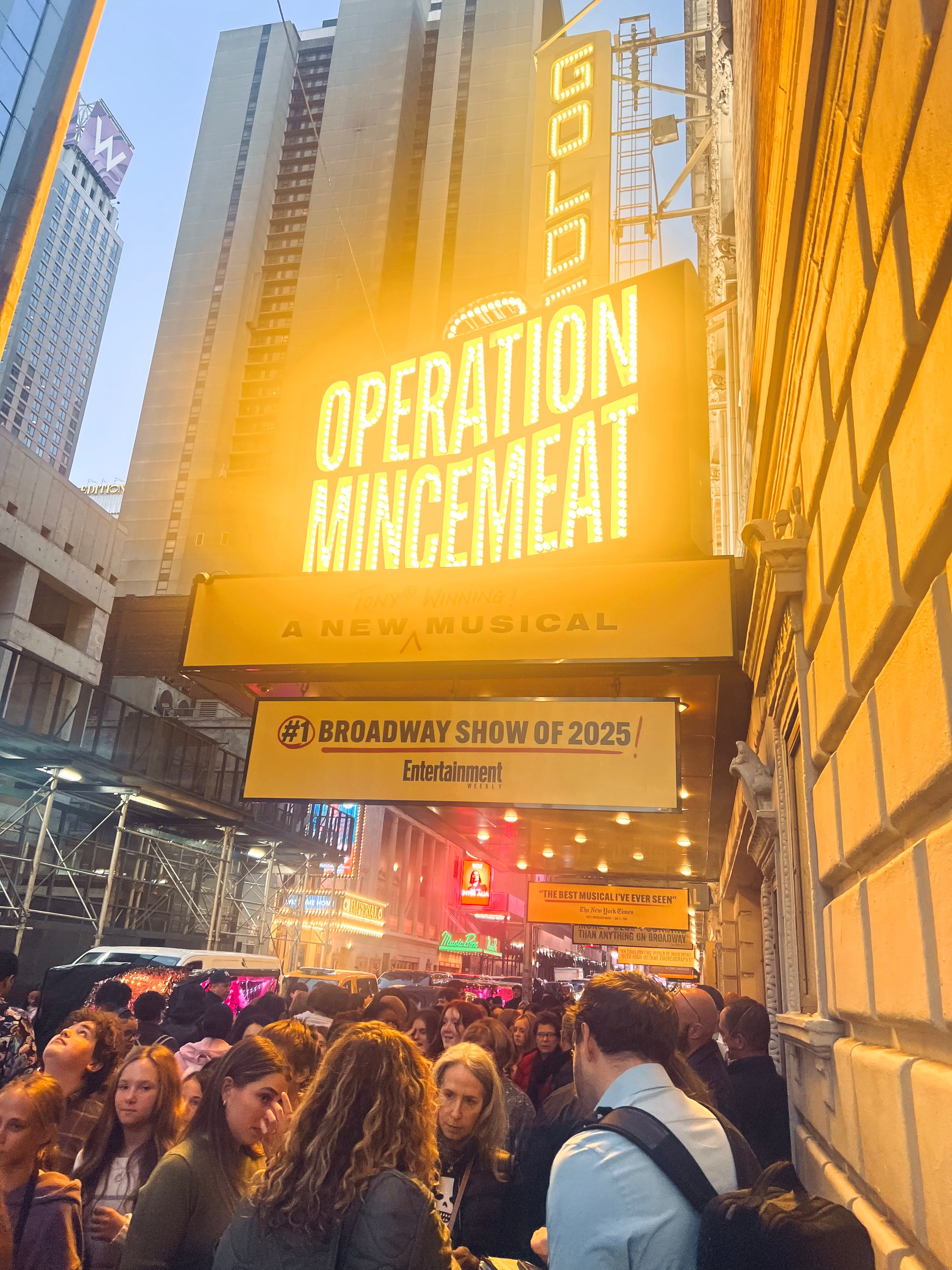
Before the evening rehearsal on Wednesday, an old friend and I saw a matinee of “Operation Mincemeat,” a hilariously heartfelt WW2 espionage musical, in which Jak Malone won a Tony for his performance last year.
I sat in the crowded hall in the middle of my favorite city, with my English horn/oboe double case nestled between my legs; I felt the tinge of joy as the theater darkened. Operation Mincemeat is based on a true story of a team of MI5 agents who use a corpse to plant false plans in Spain to thwart a planned attack by the Nazis. It is a wacky, scrappy musical that I enjoyed start to finish.
The song “Dear Bill” is sung by Hester, one of the older members of the spy team, who is writing a fake letter for the briefcase to make it believable. She starts dictating a seemingly made-up letter to a loved one at war, and somewhere in the middle, you realize the “fabricated” letter meant to sell a ruse was exposing real, unguarded grief.
Inside that old theater, Hester answered any of the questions I was still carrying about the power of art.
Do yourself a favor and take a moment to listen to “Dear Bill.” (I chose this recording from a staged concert in the UK because I wanted you to hear the beautiful orchestration and see the acting)
Have you ever had a moment in a theater or museum where it feels like an arrow has been shot right into the center of your heart?
Where you feel that specific blend of joy and grief at this life, the tears or throat tightening, a loss of breath that makes you realize your cynicism and obsessive preoccupation with your own image have just been masking a tenderness you feared was a flaw?
“Dear Bill,” drove home the point of these endless pursuits toward beauty and excellence.
The point is to live from the center of that longing, to embody it, to not run from the rooms where the veil becomes thin enough for “the point” to make itself known to me.
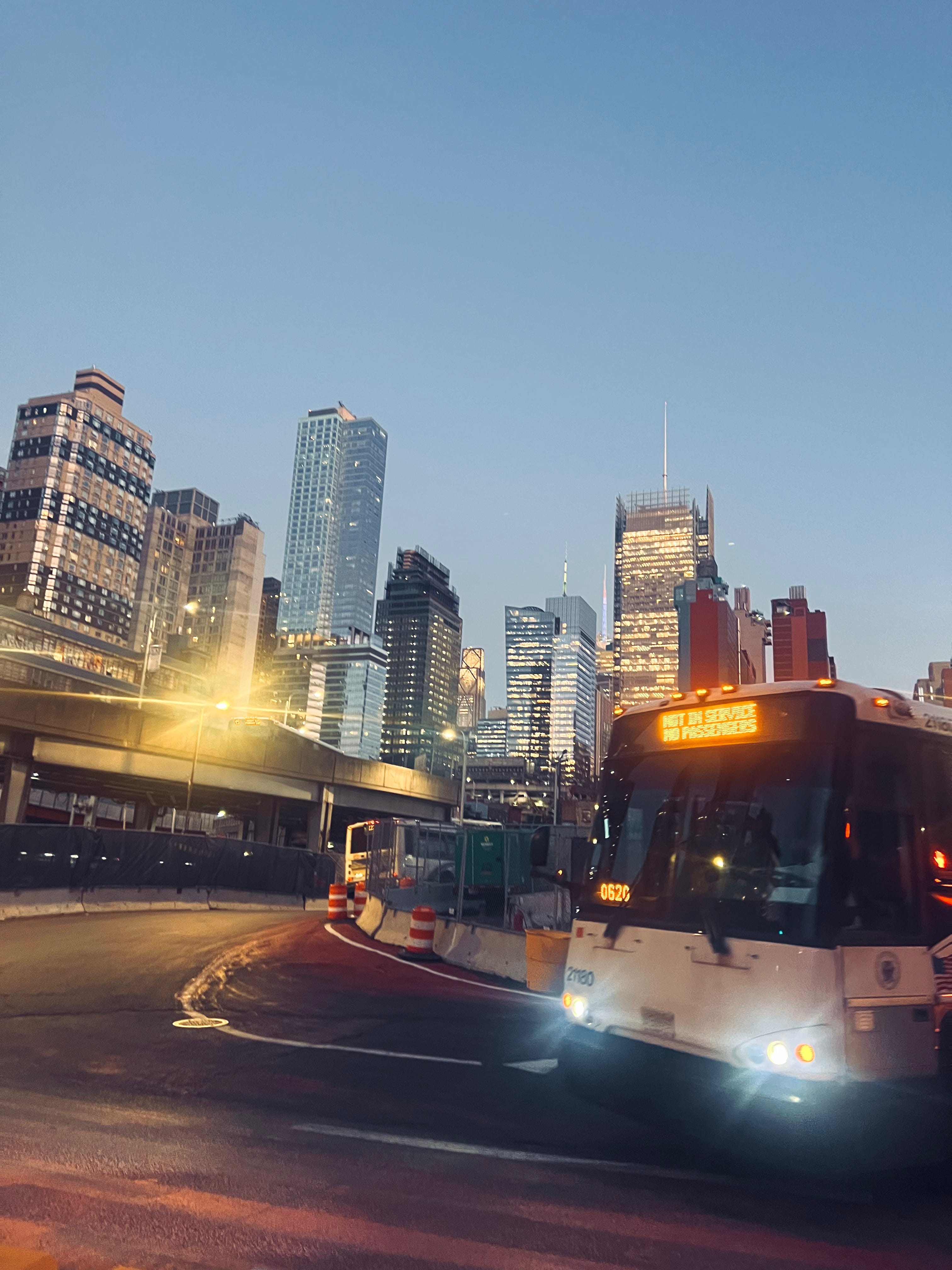
After the show, I walked through Hudson Yards over to rehearsal, and I felt so happy to be alive. The sun was setting, and I let myself feel small below the towering, glimmering skyline. When I got to my seat in the orchestra, I added these moments to my list of “Humanities” (the moments that felt real, human, and fully alive) before getting out my horns and soaking my reeds.
Later in Partita, Livia answers her own question. She says, “The point of art is to make you like your life better.” I don’t disagree.
But the truth is, I can’t tell you what the point is for you.
That’s something you’ll get to discover for yourself, over and over.
I realized this week that now, I most want to practice setting aside my need to always know or understand it, to remember that art is an invitation to love the Artist who holds the answer.
I pray that we can trust it will be revealed to us in the dark theaters, the concert halls, the ugly first drafts. But only when we’re brave enough to try.
Thanks for being here.
I’d love to hear from you in the comments: What is a song, book, movie, or performance that shot an arrow straight into your heart lately?